The Doctor Detects a Virus: Understanding the Role of Medical Innovation in Modern Health
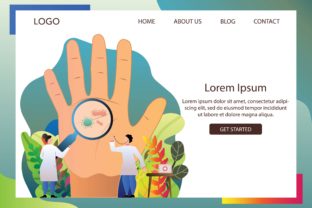
In the ever-evolving landscape of healthcare, the ability to detect viruses quickly and accurately has become a cornerstone of medical science. The phrase "The Doctor Detects a Virus" encapsulates a critical process that not only saves lives but also shapes public health strategies. This article explores how modern technology, including AI, EPS, PNG, JPG, SVG, and DXF files, plays a vital role in virus detection and the broader implications for society.
What Is Virus Detection and Why Does It Matter?
Virus detection refers to the process of identifying the presence of a virus within a biological sample, such as blood, saliva, or tissue. This is essential for diagnosing infections, monitoring disease progression, and guiding treatment plans. The importance of this process cannot be overstated, especially in the context of global health crises like the COVID-19 pandemic, where early detection was key to containing outbreaks.
Traditionally, virus detection relied on laboratory techniques such as polymerase chain reaction (PCR) tests, which amplify genetic material to identify viral presence. However, advancements in technology have introduced new methods that are faster, more accurate, and often less invasive.
The Role of Artificial Intelligence in Virus Detection
Artificial intelligence (AI) has revolutionized many fields, and healthcare is no exception. AI-powered systems can analyze vast amounts of data, detect patterns, and make predictions with remarkable accuracy. In the realm of virus detection, AI algorithms are being used to interpret imaging scans, analyze genetic sequences, and even predict outbreak trends.
For instance, AI tools can examine X-rays or CT scans to detect signs of viral pneumonia, helping doctors make quicker and more informed decisions. These systems are trained on large datasets, allowing them to recognize subtle changes that might be missed by the human eye. This not only improves diagnostic accuracy but also reduces the time required for diagnosis, which is crucial in emergency situations.
How Digital File Formats Enhance Medical Research and Communication
Modern medical research and communication rely heavily on digital file formats such as AI, EPS, PNG, JPG, SVG, and DXF. These files play a crucial role in visualizing data, creating educational materials, and facilitating collaboration among professionals.
Understanding Common File Types in Healthcare
- AI (Adobe Illustrator): Used for creating vector graphics, AI files are valuable for designing detailed medical illustrations, diagrams, and infographics that help explain complex concepts.
- EPS (Encapsulated PostScript): A versatile format that supports both vector and bitmap graphics, EPS files are commonly used in publishing and professional printing, ensuring high-quality visuals for medical journals and educational materials.
- PNG (Portable Network Graphics): Known for its lossless compression, PNG files are ideal for images that require transparency, such as medical icons or charts used in patient education.
- JPG (Joint Photographic Experts Group): Widely used for photographs and images, JPG files are useful for sharing high-resolution scans, X-rays, and other medical imagery.
- SVG (Scalable Vector Graphics): SVG files are perfect for creating interactive and scalable graphics, making them ideal for online medical resources and mobile applications.
- DXF (Drawing Exchange Format): Often used in engineering and design, DXF files can be utilized in the development of medical devices and equipment, ensuring precise specifications and compatibility across different platforms.
These file types not only enhance the clarity of medical information but also support the creation of engaging and informative content that helps both professionals and the general public understand complex health topics.
The Broader Impact of Virus Detection on Society
Virus detection extends beyond individual health; it has far-reaching implications for society as a whole. From public health policies to economic stability, the ability to detect and respond to viral threats is critical.
For example, during the COVID-19 pandemic, widespread testing and contact tracing were essential in slowing the spread of the virus. These efforts were supported by advanced technologies that enabled rapid analysis of test results and real-time tracking of infection rates. Such innovations not only saved lives but also helped governments and organizations implement effective containment strategies.
Moreover, virus detection plays a significant role in global health security. By identifying emerging pathogens early, scientists and healthcare professionals can develop vaccines and treatments before they cause widespread harm. This proactive approach is vital in preventing future pandemics and protecting vulnerable populations.
Education and Awareness: Key Components of Effective Virus Detection
Public awareness and education are essential components of effective virus detection. Understanding how viruses spread, recognizing symptoms, and knowing when to seek medical attention can significantly reduce the risk of infection and transmission.
Healthcare providers, educators, and media outlets play a crucial role in disseminating accurate information about virus detection. By using clear and accessible language, they can help demystify complex medical processes and empower individuals to take control of their health.
Additionally, the use of visual aids—such as infographics, videos, and interactive tools—can enhance learning and retention. These resources, often created using digital file formats like PNG, SVG, and JPG, make it easier for people to grasp key concepts and stay informed about health-related issues.
Looking Ahead: The Future of Virus Detection
As technology continues to advance, the future of virus detection looks promising. Innovations in AI, machine learning, and data analytics are expected to further improve diagnostic accuracy and efficiency. Additionally, the integration of wearable devices and remote monitoring systems could enable real-time health tracking, allowing for earlier detection of potential viral threats.
Furthermore, the development of portable and affordable diagnostic tools will make virus detection more accessible to underserved communities. This democratization of healthcare technology has the potential to bridge gaps in medical care and ensure that everyone has the opportunity to benefit from early detection and timely treatment.
Ultimately, the journey of "The Doctor Detects a Virus" is a testament to the power of innovation and collaboration. By combining cutting-edge technology with a commitment to public health, we can create a safer, healthier world for all.