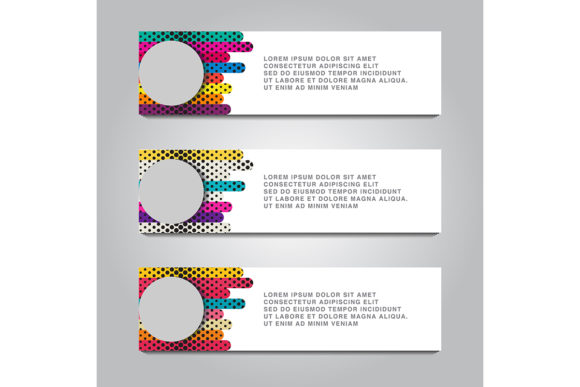
Vector Design Banner Background: A Powerful Tool for Visual Communication
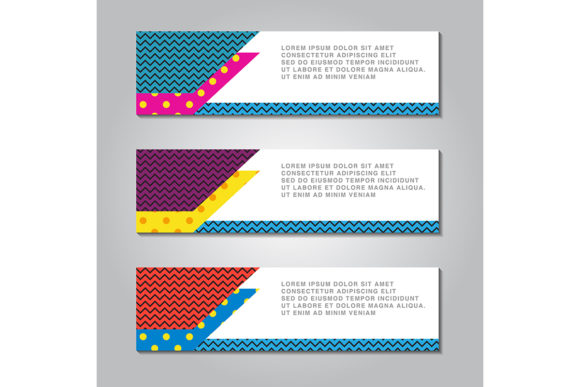
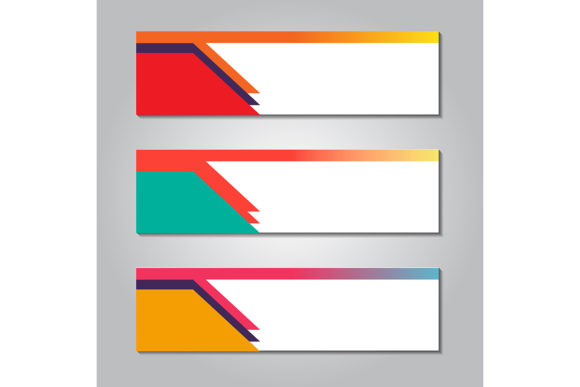
Vector design banner background is a versatile and professional approach to creating visually appealing graphics for digital and print media. Unlike raster images, which are made of pixels, vector graphics use mathematical formulas to define shapes, lines, and curves. This makes them scalable without losing quality, ideal for banners that need to be resized for different platforms or formats.
Whether you're a marketer, designer, or small business owner, understanding the value of vector design can significantly enhance your visual content. From website headers to social media posts, a well-crafted vector banner can elevate your brand's presence and communicate your message more effectively.
Common Mistakes When Using Vector Design Banner Background
Despite its advantages, many people make mistakes when working with vector design banner backgrounds. One common error is choosing low-quality or poorly designed vectors that don't align with their brand identity. This can lead to unprofessional results that fail to engage audiences or convey the intended message.
Another mistake is ignoring the importance of resolution and file format. While vectors are scalable, they still need to be exported in the right format—such as PNG or JPEG—for specific uses. Failing to do so can result in blurry or distorted visuals, especially when used on high-resolution displays or printed materials.
Some users also overlook the need for proper color matching. If the colors in the vector design don’t match your brand’s palette, it can create a disjointed look that weakens your overall branding efforts.
Why Vector Design Matters for Banners
Vector design banner backgrounds offer several benefits that make them a preferred choice for many professionals. Their scalability ensures that your design looks sharp on any screen size, from mobile devices to large billboards. This flexibility is crucial for modern marketing strategies that require consistent branding across multiple channels.
Additionally, vector files are typically smaller in size compared to raster images, making them easier to handle and upload. This efficiency can save time and reduce bandwidth usage, especially when working with large-scale projects or tight deadlines.
For creators and designers, vector banners also provide greater control over elements like typography, spacing, and layout. This level of precision allows for more creative freedom and better alignment with your visual goals.
How to Choose the Right Vector Design Banner Background
Before selecting a vector design banner background, consider your specific needs and goals. Ask yourself: What platform will this be used on? What is the primary purpose of the banner? Who is the target audience?
It's also important to check the licensing terms of the vector file. Some designs may be free for personal use but require a paid license for commercial projects. Ignoring these details can lead to legal issues or unexpected costs down the line.
Another key factor is the complexity of the design. While intricate vector graphics can be visually stunning, they may not always be the best choice for a banner. Simplicity often leads to better readability and a stronger visual impact, especially in fast-paced digital environments.
Practical Tips for Using Vector Design Banner Backgrounds
To get the most out of your vector design banner background, start by using reliable design software such as Adobe Illustrator, Inkscape, or Figma. These tools allow you to edit and customize vector graphics with ease, ensuring that the final product meets your expectations.
When editing, pay attention to details like alignment, spacing, and layer organization. A well-structured vector file makes it easier to adjust elements without compromising the overall design. This is especially important if you plan to reuse or modify the banner in the future.
Finally, test your banner on different devices and platforms before finalizing it. This helps identify any potential issues with scaling, color accuracy, or compatibility, ensuring that your design performs consistently across all mediums.
Examples of Better Approaches
Instead of using generic stock vectors, consider customizing a design to fit your brand’s unique style. For example, a tech startup might benefit from a sleek, minimalist vector banner with bold typography and a modern color scheme. This approach reinforces brand identity and creates a more memorable visual experience.
Another effective strategy is to work with a professional designer or use high-quality vector marketplaces like Adobe Stock, Freepik, or Envato Elements. These platforms offer a wide range of pre-designed banners that are optimized for different industries and use cases.
By focusing on quality, customization, and practicality, you can avoid many of the pitfalls associated with vector design banner backgrounds and achieve more impactful results.